Everyone confuses PCOD with PCOS. Doctors use them interchangeably. You search online and get conflicting answers. The truth? They’re different conditions that need different approaches.
PCOD vs PCOS isn’t just a naming thing. It changes how you manage your health. One is a problem related to the ovaries while the other one is due to metabolic disorder. Outlook for your fertility, health and future if you understand the difference between pcod and pcos especially when it is about pregnancy with the right care.
You’re here because of the symptoms: irregular periods, difficulty losing weight, acne, mood swings and fertility issues. You need to understand the difference between pcod and pcos, what you have, which is more serious, and what it means for your life.
Hormonal problems are on the rise in cities like Hyderabad owing to improved lifestyle, increased stress and pollution. Now this is not a trivial question anymore, you have to understand it in the proper context.
Understanding PCOD vs PCOS: What Sets Them Apart?
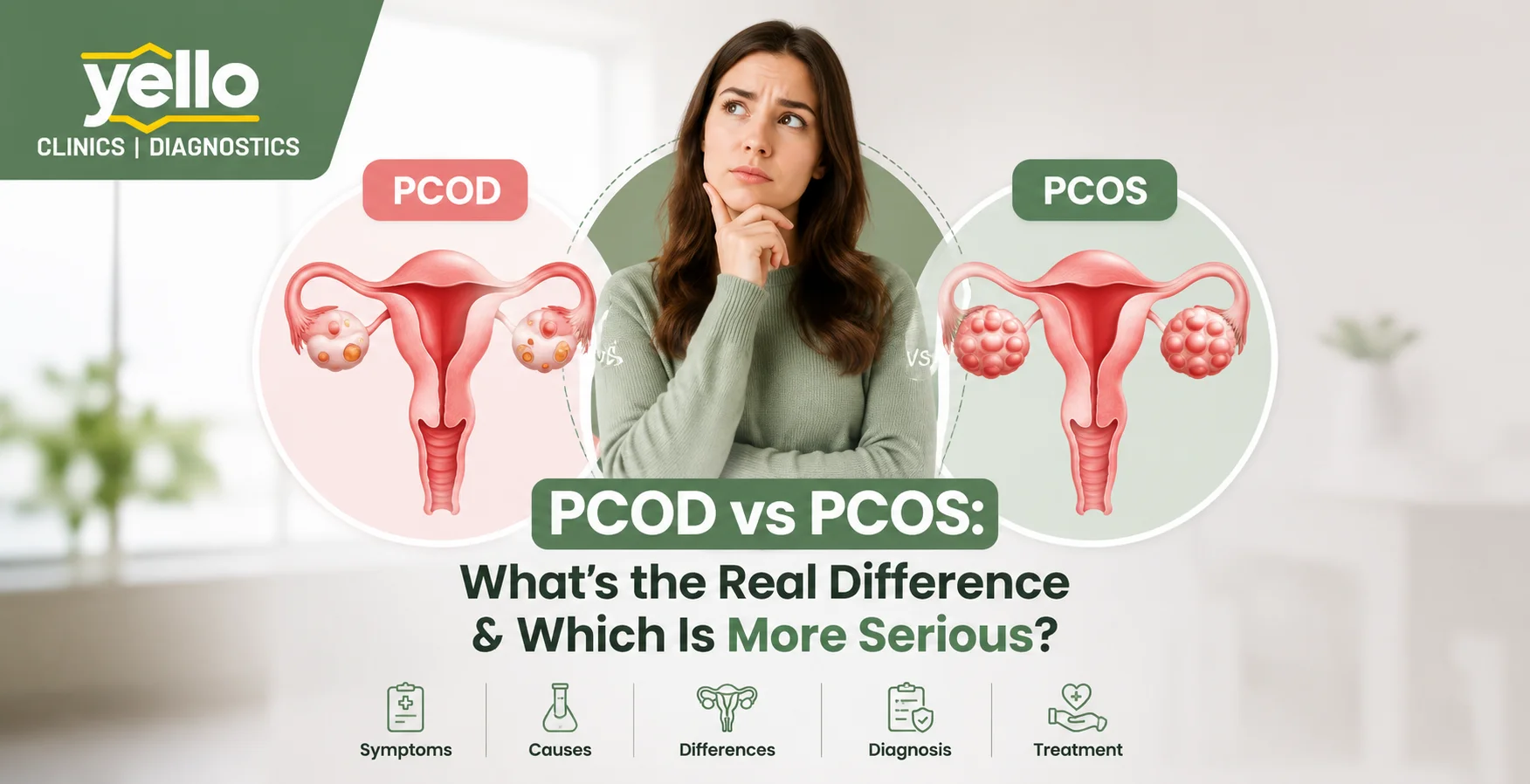
PCOD(Polycystic Ovarian Disease) = Your ovaries do not release mature eggs. Hormones get slightly imbalanced. Periods become irregular. Usually caused by lifestyle. Usually fixable.
PCOS (Polycystic Ovary Syndrome) = Total system collapse of your metabolism. Insulin resistance. Severe hormone chaos. Affects fertility seriously. Long-term health risks. Genetically-predisposed.
PCOD vs PCOS severity: PCOS is a much bigger deal. That’s the distinction that matters.
PCOD vs PCOS: Side-by-Side Comparison
Factor | PCOD | PCOS |
Type | Ovarian condition | Hormonal + metabolic disorder |
Severity | Less serious | More serious |
Ovulation | Irregular | Often stops completely |
Hormone Balance | Mildly off | Severely imbalanced |
Insulin Problem | Minimal | Major, insulin resistance |
Fertility Risk | Moderate | Higher |
Long-term Risks | Low | Diabetes, heart disease |
Lifestyle Fixes It? | Usually yes | No, needs medication too |
Key Takeaway: PCOD vs PCOS means different management, different risks, different outcomes.
What is PCOD?
PCOD is simpler. Your ovaries produce eggs but they’re not fully developed. Hormones stay mildly imbalanced. Periods get irregular.
Why does it happen? Usually external factors:
- Poor diet (processed foods, excess sugar)
- No regular exercise
- Chronic stress
- Lack of sleep
Symptoms you notice:
- Missed or late periods
- Weight gain that’s stubborn
- Acne showing up regularly
- Random hair growth or loss
- Mood changes
Good news: PCOD responds to lifestyle. Better eating, exercise, stress management, these actually work. The difference between PCOD and PCOS here is clear: PCOD is lifestyle-responsive.
What Is PCOS?
PCOS is where things get serious. It’s not just your ovaries. Your whole metabolic system breaks down.
Your cells stop listening to insulin properly. Blood sugar stays high. Your pancreas will release excess insulin. This excess insulin will signal the ovaries to release androgens. The cycle will continue from there.
What causes PCOS? Mainly genetics:
- Familial history (it runs in families)
- Insulin sensitivity of your body (genetically inherited)
- Inflammation at cellular level
- Hormone imbalance at hormonal system level
PCOS symptoms look similar to PCOD but more extreme:
- Periods disappear or become sporadic
- Significant weight gain (hard to lose)
- Stubborn acne everywhere
- Excessive hair growth (face, body)
- Hair loss from head (thinning)
- Anxiety and depression
- Infertility struggles
The real danger: Long-term complications if untreated:
- Type 2 diabetes (PCOS women have 40% higher risk)
- Heart disease
- High blood pressure
- Sleep apnea
- Endometrial cancer risk
That’s why PCOD vs PCOS matters. They’re different conditions entirely.
Which Is More Serious: PCOD or PCOS?
Answer: PCOS is significantly more serious.
PCOD affects just your ovaries. Everything else works normally. Fix the ovarian dysfunction and symptoms improve.
PCOS breaks your metabolism. Your insulin doesn’t work right. Your hormones are fundamentally messed up. Diet alone can’t fix this. You need sustained medical management.
PCOD vs PCOS severity: PCOD is manageable. PCOS is serious but also manageable with proper care and understanding PCOD vs PCOS differences.
Women with PCOS need:
- Regular doctor visits
- Medication (usually)
- Lifestyle changes (always)
- Monitoring for diabetes risk
- Cardiovascular health checks
Women with PCOD usually just need lifestyle changes after learning the difference between PCOD and PCOS.
Understanding Fertility With These Conditions
It’s important when you plan to have kids. PCOS pregnancy differs from PCOD infertility because knowing the difference between pcod and pcos will help you make realistic expectations.
When dealing with PCOD, you’ll experience irregular periods, but ovulation usually occurs at some point. Although you might need some time, conceiving occurs naturally most times.
However, when dealing with PCOS, ovulation might not occur for months. Ovulation can cease for months with PCOS. For this reason, conception is more difficult and often necessitates the assistance of a medical practitioner. Typically, PCOS and pregnancy require planning, treatment, and the aid of a fertility specialist.
The key difference in fertility terms:
PCOD = harder, but usually manageable
PCOS = requires structured medical support
This is where the significant factor lies, as PCOS women can conceive. All it requires is a lot of dedication, a precise way of going about it, and sufficient care. Pregnancy and PCOS are definitely achievable as long as it is done in the correct manner.
Why Knowing The Difference Matters
Knowing the difference between PCOD and PCOS will make a huge difference when it comes to your health.
It will help you understand expectations, medication requirements, and plan ahead for matters such as pcos and pregnancy. The difference between pcod and pcos also affects the risks you should monitor and the treatment you follow.
The pcod and pcos difference means:
- Different treatment timelines
- Different health risks
- Different fertility approaches
- Different lifestyle requirements
Getting this right saves time, reduces confusion, and helps you move toward the right care faster.
Can PCOD and PCOS Be Treated?
No permanent cure exists.
But both can be managed effectively.
PCOD management:
- Balanced diet
- Regular exercise
- Stress control
- Sleep improvement
Many cases improve without medication.
PCOS management:
- Lifestyle changes (mandatory)
- Medication (often required)
- Hormone management
- Insulin control
PCOS needs consistency + medical support
Common Symptoms to Watch Out For
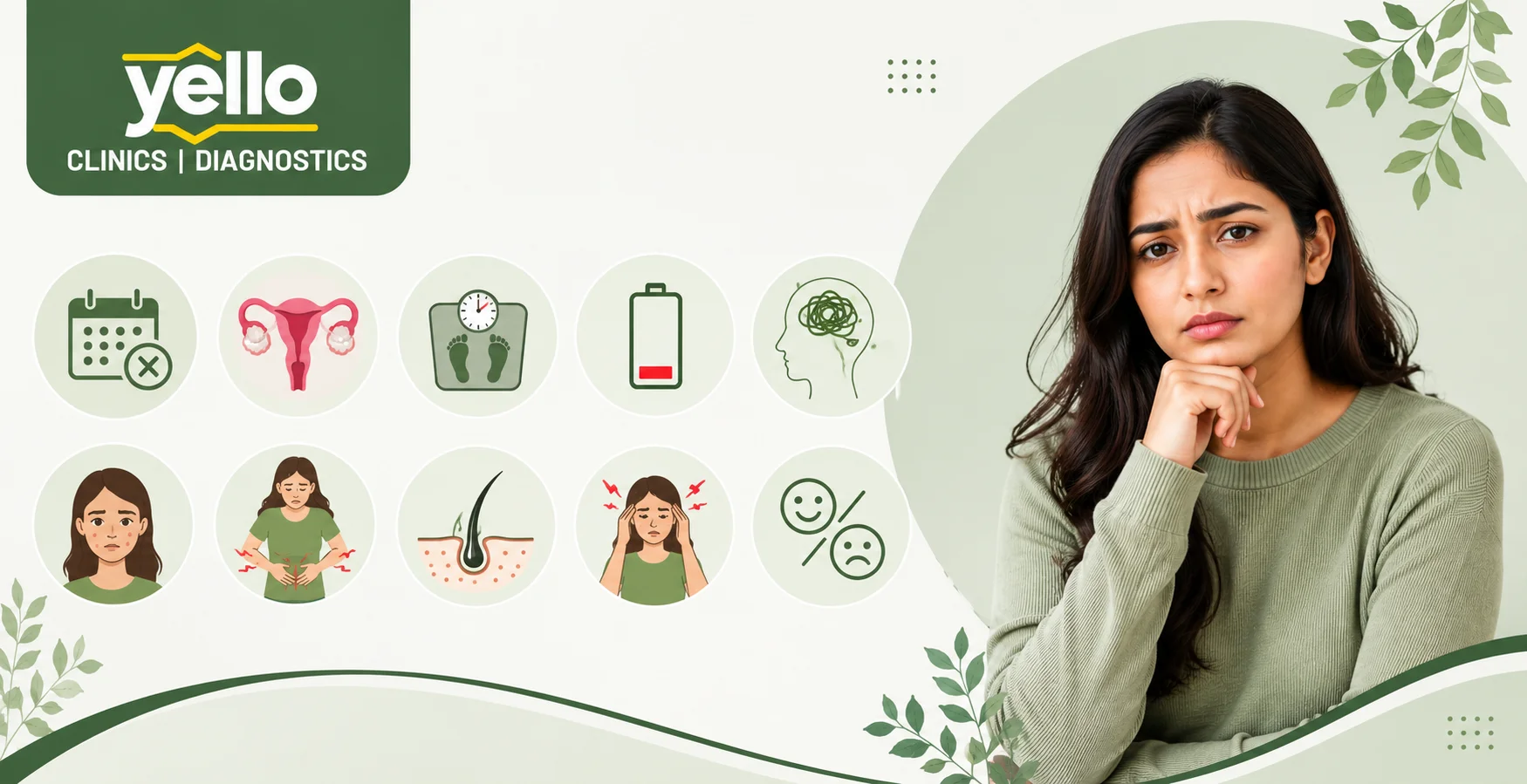
Irregular or missed periods – The biggest red flag. Missing months isn’t normal and often shows early pcod and pcos difference.
Weight gain that won’t budge – Even with effort, it doesn’t drop. That’s usually hormonal.
Persistent acne – Unresponsive to skin care, commonly on chin, chest, or back.
Uncommon changes in hair – Increased hair growth on face or body or hair loss from head.
Extreme mood swings – Worse than PMS, involving irritability or emotional fluctuations.
Trouble conceiving – When conception takes time, it’s important to distinguish between PCOD and PCOS, particularly for PCOS and pregnancy.
What Causes PCOD and PCOS?
PCOD Causes
- Poor nutrition (junk food, high sugar content)
- Lack of physical activity (sitting all day)
- Chronic stress (work, interpersonal, personal)
- Irregular sleep patterns (late nights)
- At times, hereditary factor (family link)
PCOS Causes
- Genetic factors (runs in families strongly)
- Insulin resistance (born with it)
- Chronic low-grade inflammation
- Hormonal imbalance at hormonal system level
- Environmental triggers activating genetic predisposition
Understanding PCOD and PCOS differences in causes helps you understand why treatment differs.
When Should You Consult a Doctor?
Don’t wait. Get checked if:
- Periods disappear for 2+ months. That’s abnormal regardless of PCOD and PCOS difference.
- Can’t get pregnant after 6-12 months of trying. Early intervention helps fertility, especially with PCOS and pregnancy planning.
- Severe symptoms affecting life quality. Acne causes psychological distress. Hair loss causes problems. Mood swings disrupting relationships.
- Weight gain you can’t explain. Despite proper diet and exercise, that’s hormonal.
- Family history of hormone issues. If your mom or sister had it, get baseline testing.
Early diagnosis matters. The longer you wait, the harder it is to manage. For proper diagnosis, you might need ultrasound. Is TVS Ultrasound Painful, no, it’s not, but if you’re worried, ask your doctor.
If you’re in Hyderabad, find the best dental clinic near me that also handles women’s health referrals. Sometimes hormone issues affect dental health. A 7 day PCOS diet plan combined with proper medical care works best for management. Your dental clinic near me can help with referrals to good gynecologists.
How to Know Which One You Have
Only a doctor can diagnose through:
- Hormone blood tests
- Ultrasound imaging
- Symptom evaluation
- Medical history review
Don’t self-diagnose. PCOD vs PCOS requires professional testing. The tests determine your path forward completely.
Why Choose YelloMedi for PCOD and PCOS Care
When it comes to something so deeply personal such as hormonal health and wellbeing, having the right support can make all the difference.
YelloMedi is not just about diagnosis, but also understanding how your body works and what is best for you in the long run. Guidance from an expert is important whether it comes to knowing the difference between pcod and pcos, or if you want clarity around your symptoms.
YelloMedi offers:
- Experienced specialists who understand PCOD vs PCOS
- Accurate diagnosis with advanced testing
- Personalized treatment plans tailored to you
- Patient-focused care with real support
- Long-term management for lasting results
Whether you’re managing symptoms or navigating concerns like pcos and pregnancy, having the right team makes it easier. Understanding the difference between pcod and pcos helps you take the right steps from the start.
Book your consultation at YelloMedi today for expert women’s health care in Hyderabad.
PCOD vs PCOS: What Should You Do Next?
PCOD and PCOS difference is real and important. Understanding PCOD vs PCOS changes how you approach your health completely.
PCOD is an ovarian condition, generally related to lifestyle, and can be treated with a little set of habits.
PCOS is a metabolic disorder that often needs medical intervention, and has greater long-term risk if left ignored.
The difference between pcod and pcos determines:
- Whether you need medication
- Your fertility outlook
- Health risks you should monitor
- Long-term management requirements
When it comes to pcos and pregnancy, it is indeed possible but needs good planning, persistence and proper medical guidance.
Early intervention and detection with a good lifestyle and adequate support in both conditions can help greatly.
Your action plan:
Get tested if symptoms exist
Understand your condition clearly
If PCOD → focus on lifestyle changes
If PCOS → combine treatment with lifestyle modification
Monitor yourself regularly (with regard to periods, energy levels, skin condition, mood swings, etc.)
Undergo check-ups regularly
There’s no need to worry; both can be reversed if you understand PCOD, PCOS and what steps to take.
Frequently Asked Questions
What is the basic difference between PCOD and PCOS?
The major difference between both of them is that PCOD is the ovarian disorder, while PCOS is the metabolic and hormonal disease. Based on the association with metabolic syndrome PCOD and PCOS need to be managed differently.
PCOD vs PCOS: Which one is more dangerous?
The latter is the severest of the three with regard to its association with metabolism. Making the distinction between PCOD and PCOS, one can understand which problem is more dangerous.
Can PCOS influence pregnancy?
PCOS may affect pregnancy. Even though irregular ovulation may complicate the process of conceiving, pcos and pregnancy is quite possible.
Is PCOD easier to treat than PCOS?
Yes, PCOD is easier to manage with lifestyle changes. In the difference between PCOD and PCOS, management of PCOS often involves a medical aspect and support in the long term.
Can PCOD or PCOS be cured permanently?
There is no permanent cure for either of these conditions, but both can be managed. Knowledge of the difference between PCOD and PCOS can help one make the right decisions to promote health in the long term.
Dr. Manasa Reddy is an Obstetrician and Gynecologist at Ankura Hospital, specializing in women’s health, pregnancy care, infertility, and minimally invasive gynecological treatments.